
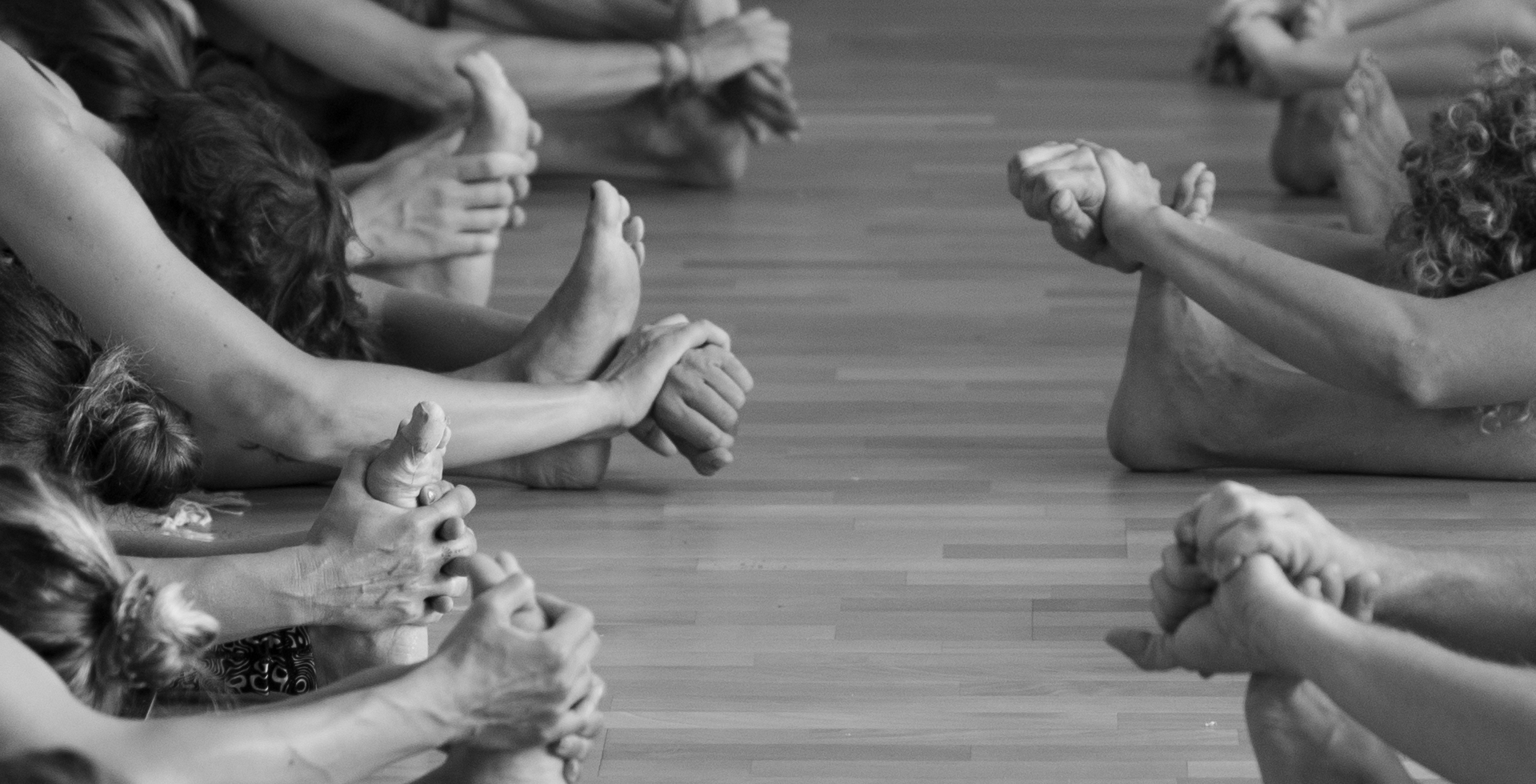
About the Practice
From Breath to Transformation: Important Insights into Ashtanga Practice
Interesting facts
In the Ashtanga Yoga practice, we use a free breath with sound. Drishti refers to the gaze direction in each asana. Bandhas are energetic lock points in the body. By consciously working with the bandhas, the flow of prana can be regulated.
Practicing the sequence in the correct order, Vinyasa, breath with sound, and the use of bandhas generates a great inner heat. This generated heat is intentional and supports the cleansing processes in the body. Stored toxins are flushed out, and through sweat, hormones and minerals are released.
Ashtanga Yoga is a challenging practice. Strength, endurance, and sweat are unique aspects of this form of yoga. This seems to be contrary to the Western perception of yoga. However, the effort is rewarded. The body becomes stronger, more flexible, and more relaxed; thoughts gain clarity, and through deep letting go, we can free ourselves from what is no longer helpful.
Ashtanga Yoga allows the practitioner to develop their greatest potential in all areas (physically, mentally, and spiritually).
To develop a safe and stable yoga practice, it is necessary to practice several times a week. Initially, it is advisable to practice 2-3 times a week and gradually increase. The goal is to integrate yoga into daily life. More frequent, shorter sessions are better than infrequent, long ones. It is important to build the practice over a longer period and only gradually add new asanas.
When a daily practice is established, one day of the week is paused. In the tradition of Ashtanga Yoga, practice is not done on full and new moon days. These are the Moondays.
Regularly practicing yoga can initiate profound changes. During this process, the resurfacing of old wounds (on all levels) is possible. Especially during these times, resistance may arise, and practicing can be more challenging than usual for a while.
The development of yoga practice is rarely linear, meaning there are often periods of stagnation or even setbacks (often for the first time after 6 to 9 months). You may feel like you’re not making progress and feel disappointed. Especially during these times, it’s important to practice regularly and possibly adjust your practice. Please consult with your teacher.
There is a danger in measuring the quality of yoga and assessing one’s own practice based on the physical abilities that are achieved. Attaining certain skills on a physical level is only one part of yoga. Focusing on the breath within the asana and reaching a meditative state is the more important aspect of yoga practice. Too much ambition and comparison with others do not advance the practice. It is more effective to practice regularly within one’s own limits and observe what changes.
Through a continuous yoga practice, a newfound lightness and strength are experienced, and healing processes can be set in motion on all levels.
In India, yoga has always been passed down from a teacher (guru) to their students. Writing it down, filming, and photographing are new practices that fundamentally change the teaching of yoga. It is still important and helpful to work with a teacher you trust over a longer period and to be guided by them. Only in this way can progress in your yoga practice be ensured.
Deepen & grow
Workshops, retreats & trainings with Andrea Lutz
Discover our diverse offerings to deepen your Ashtanga practice—from intensive pranayama workshops to relaxing retreats in Crete to professional teacher trainings. These carefully designed programs offer you the opportunity to grow and develop under Andrea Lutz’s experienced guidance. Choose the format that best suits your current needs.
Authentic mediators of the Ashtanga method
Our Teachers
The essence of Ashtanga Yoga is passed on by experienced teachers who practice and teach in the tradition of Sri K. Patthabi Jois. These dedicated yogis guide you safely through the series and help you bring Prana into flow – physically, mentally, and emotionally. Our teachers combine deep knowledge with personal experience, ensuring that the authentic practice is transmitted in its original form.

Astrid Brix
Teacher / Owner
Astrid discovered yoga in 2008 in her former hometown of Managua, Nicaragua, where she also completed her first teacher training at It’s Yoga Nicaragua.
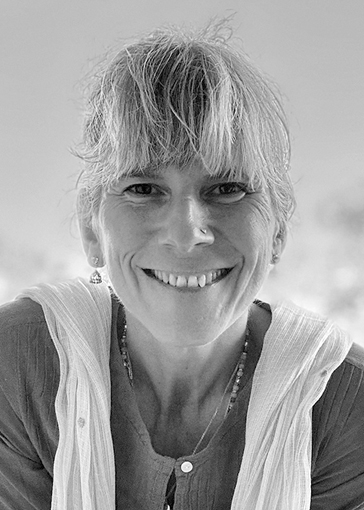
Cathrin Queins
Teacher / Owner
Has been practicing yoga since 2000. She discovered and fell in love with Ashtanga Yoga in India (Goa) in 2003.

Marie Keck
Teacher
Marie has been teaching Ashtanga and Yin Yoga since 2012 and regularly continues her training with renowned teachers.
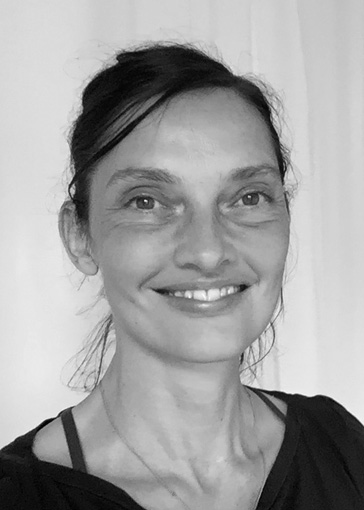
Viola Sommer
Teacher
Viola has been practicing yoga regularly since 2009, initially in the Sivananda Yoga tradition. She completed her Hatha Yoga teacher training there in 2014.